

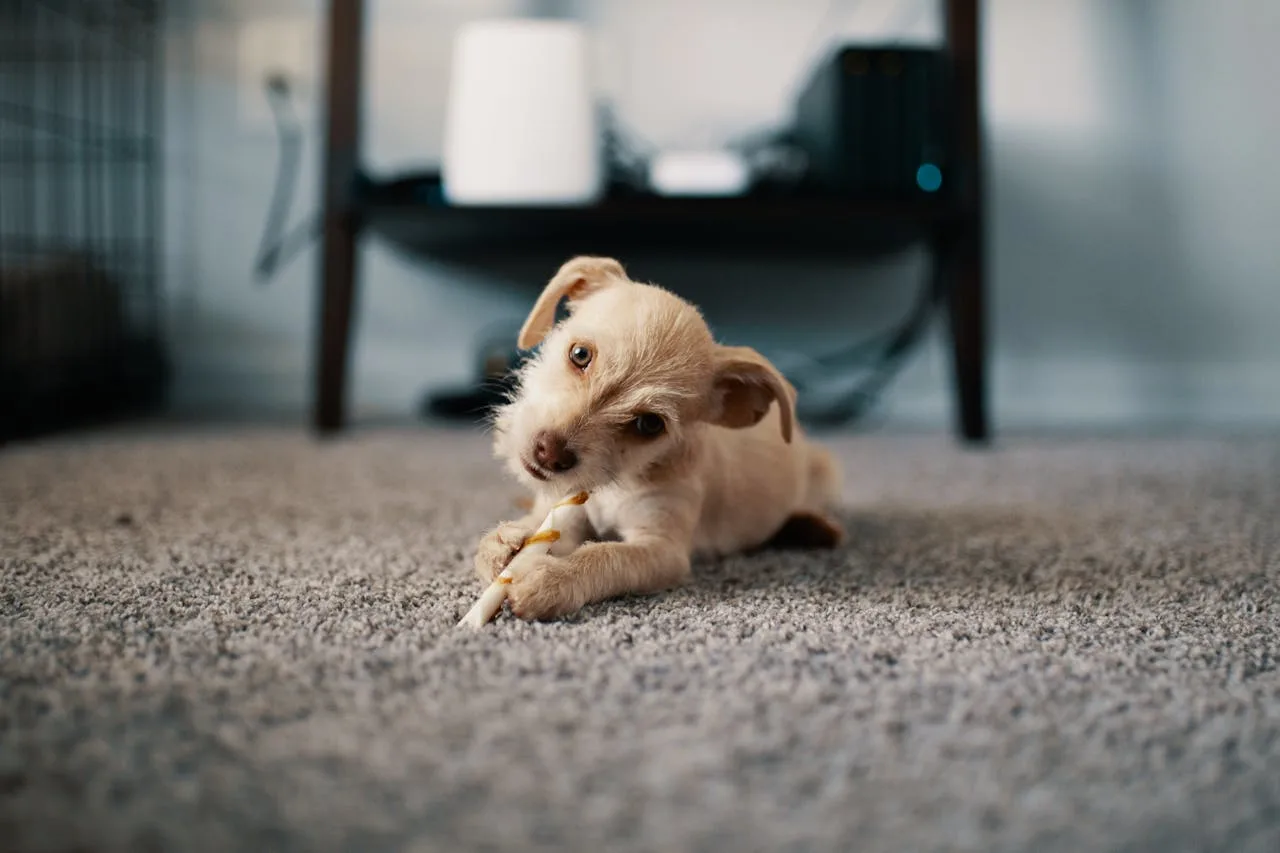
Let’s face it – if you’ve got a small dog, you’ve probably scooped them up when a bigger dog comes charging down the street. Natural reaction, right? But here’s the thing: constantly lifting your tiny pup might be doing more harm than good. Time to figure out when it’s smart to lift and when it’s better to let them stand their ground.
The Reality of Small Dog Behavior
First off, let’s drop the “small dog syndrome” nonsense. Your Chihuahua isn’t automatically yappy and anxious because they’re small. Sure, research shows smaller dogs tend to show more anxiety, but that’s on us – not them. We’re the ones treating them like precious glass ornaments instead of actual dogs.
Think about it. When’s the last time you saw someone carrying their German Shepherd away from “danger”? Never, because we expect big dogs to handle situations. Meanwhile, little dogs get babied, undertrained, and then blamed for having attitude problems.

The Training Factor
Here are a few training factors to keep in mind:
Building Confidence Through Basic Skills
Want to know why your small dog freaks out? Because they never learned not to. Skip the baby talk and start actual training. Your Yorkie can learn just like a Rottweiler – they’ve got the same basic brain wiring. Start with sit, stay, and come. Build that foundation before tackling the scary stuff.
Socialization Isn’t Optional
Here’s where most small dog owners mess up. They think protecting means isolating. Wrong. Your tiny dog needs controlled exposure to everything – different dogs, people, sounds, surfaces. The key word is controlled. Don’t throw them in the deep end, but don’t bubble wrap them either.
Leash Skills Matter
Small dogs need solid leash skills more than big dogs. Why? Because when they act up, we can’t control them through strength. Teach loose leash walking. Make them walk beside you, not forty feet ahead. And for heaven’s sake, stop letting them pull – it doesn’t matter if they’re only ten pounds.
Counter-Conditioning Done Right
Got a dog that already freaks out at big dogs? Fine, let’s fix it. Start far away from the trigger – way farther than you think necessary. Reward calm behavior. Gradually decrease distance. This might take weeks or months. Deal with it. Quick fixes don’t exist.

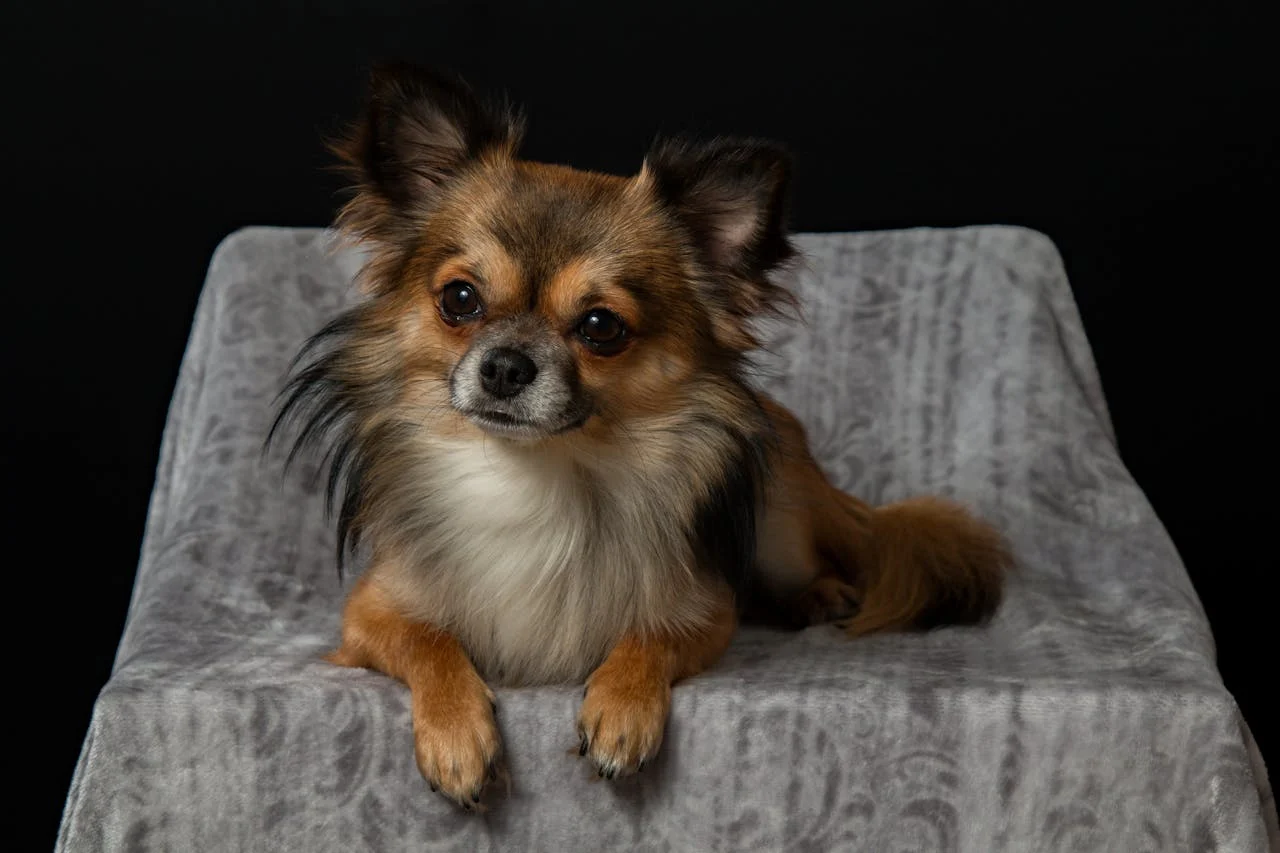
When Lifting Makes Sense
Sometimes picking up your small dog is the smart move. Like when:
- An off-leash dog comes running at full speed
- You’re in a crowded area with people not watching where they step
- Your dog is injured or exhausted
- You’re entering a dangerous area (like a busy parking lot)
But here’s the catch – it shouldn’t be your go-to solution for every situation. That’s just teaching your dog they can’t handle normal life situations.

The Problems with Constant Lifting
Let’s talk about what happens when you turn your dog into a permanent arm accessory. First, they never learn coping skills. Every time you lift them away from a situation, you’re telling them they can’t handle it themselves.
Second, you’re actually making them more attractive targets. When you snatch your dog up, you’re triggering prey drive in other dogs. That movement? It’s like waving a squeaky toy around. Not smart.
Third, you’re risking injury – to both of you. Small dogs have delicate bodies. Constant lifting can stress their joints. And if you’re grabbing them while they’re already worked up? Good luck avoiding a redirected bite.
How to Actually Handle Encounters
Keep the following things in mind:
Before the Approach
See another dog coming? Don’t immediately reach for your pup. Check the situation first. Is the other dog under control? Is there space to create distance? Make smart decisions, not panic reactions.
During the Pass-By
Keep moving. Act normal. If your dog is trained, ask for a focus command. Create space if needed, but do it calmly. Your energy matters – if you’re freaking out, your dog will too.
After the Encounter
This is your training opportunity. Did your dog stay calm? Reward that. Did they react? Note the distance where it started and work from there in future training sessions.
Building a Better Foundation
Want to know when it’s okay to pick up your dog? Teach them a signal. Could be a word, could be a gesture. The point is, they should know it’s coming. This prevents panic and builds trust.
Start practicing at home. Give the signal, lift gently, reward. Put down, reward again. Do this until your dog actually looks forward to being picked up. Now you’ve got a tool instead of a panic response.

The Long-Term Solution
Here’s the truth – your small dog needs to learn to navigate the world on their own four feet. Yes, sometimes you’ll need to pick them up. But that should be the exception, not the rule.
Invest in training. Build their confidence. Teach them that size doesn’t determine capability. It takes more work upfront, but it creates a happier, more balanced dog in the long run.
Remember: Your small dog is still a dog. They’ve got the same basic instincts and learning capabilities as their larger cousins. Treat them with respect, give them proper training, and save the lifting for when it’s actually needed.
Health Implications of Frequent Lifting
Let’s talk about something most small dog owners never consider – the physical impact of constant lifting. Your tiny pup isn’t designed to be airborne half their life. Every time you scoop them up, you’re putting pressure on their chest, spine, and legs. Do it wrong, and you’re asking for trouble.
Most small dogs suffer from joint issues already – blame selective breeding for that mess. Now add frequent lifting to the mix. Those sudden movements stress their joints further. And let’s be real – most people don’t lift dogs correctly. They grab under the armpits or worse, yank them up by their front legs. Might as well schedule those vet visits for joint problems now.
Then there’s the muscle development issue. Dogs need to walk, run, and move naturally to build proper muscle tone. When you’re carrying them everywhere, they’re not developing the strength they need. Those muscles support their joints and spine. Weak muscles lead to injuries, and injuries lead to more carrying. See the problem?


The Bottom Line
Stop using picking up as your default solution. Start seeing your small dog as capable of learning and adapting. Will there be times when you need to lift them to safety? Absolutely. But make those times the exception, not the rule.
Your small dog can learn to handle most situations on their own four feet. Give them the chance to prove it. The confidence they’ll gain is worth way more than the temporary comfort of being carried.
cheapest buy itraconazole without rx online
order itraconazole generic next day delivery
order fildena generic united states
buying fildena purchase singapore
kamagra prix canada
non presciption kamagra
kamagra online na dobírku
kamagra ed droga
online order gabapentin generic ireland
cheap gabapentin without prescriptions canada
how to buy flexeril cyclobenzaprine generic brand
generic flexeril cyclobenzaprine online cheapest
dutasteride no script required express delivery
order dutasteride cheap in uk
how to order avodart price generic
avodart no script needed cod overnight
ordering staxyn usa cheap
Buy staxyn online perscription
how to buy xifaxan price dubai
ordering xifaxan uk how to get
ordering rifaximin uk meds
purchase rifaximin price singapore
ordering enclomiphene generic in united states
buy enclomiphene cheap europe
buy cheap androxal buy in australia
how to buy androxal generic united states