

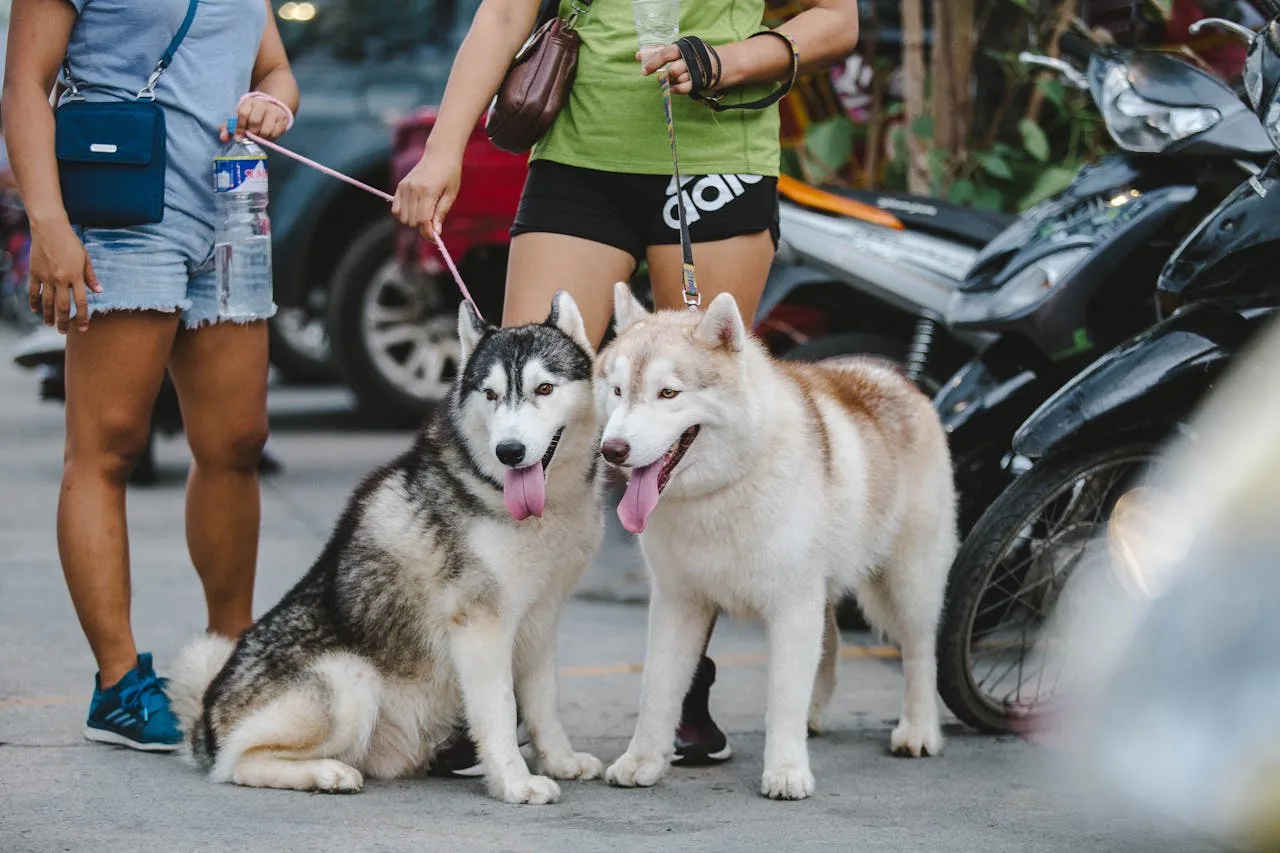
Your arm’s about to pop out of its socket. Your shoulder is killing you. And your dog? They’re having the time of their life dragging you down the street like a water ski. Sound familiar? Let’s fix that mess before someone gets hurt.
Why Dogs Pull (And Why Your Current Method Isn’t Working)
First off, dogs pull because it works. Simple as that. Every time you let them drag you forward, you’re teaching them that pulling gets them where they want to go. And those retractable leashes everyone loves? They’re basically training your dog to pull harder. Throw that thing in the trash where it belongs.
Your dog isn’t being stubborn or dominant or trying to be the “alpha.” They’re just doing what’s worked for them so far. Time to change that equation.

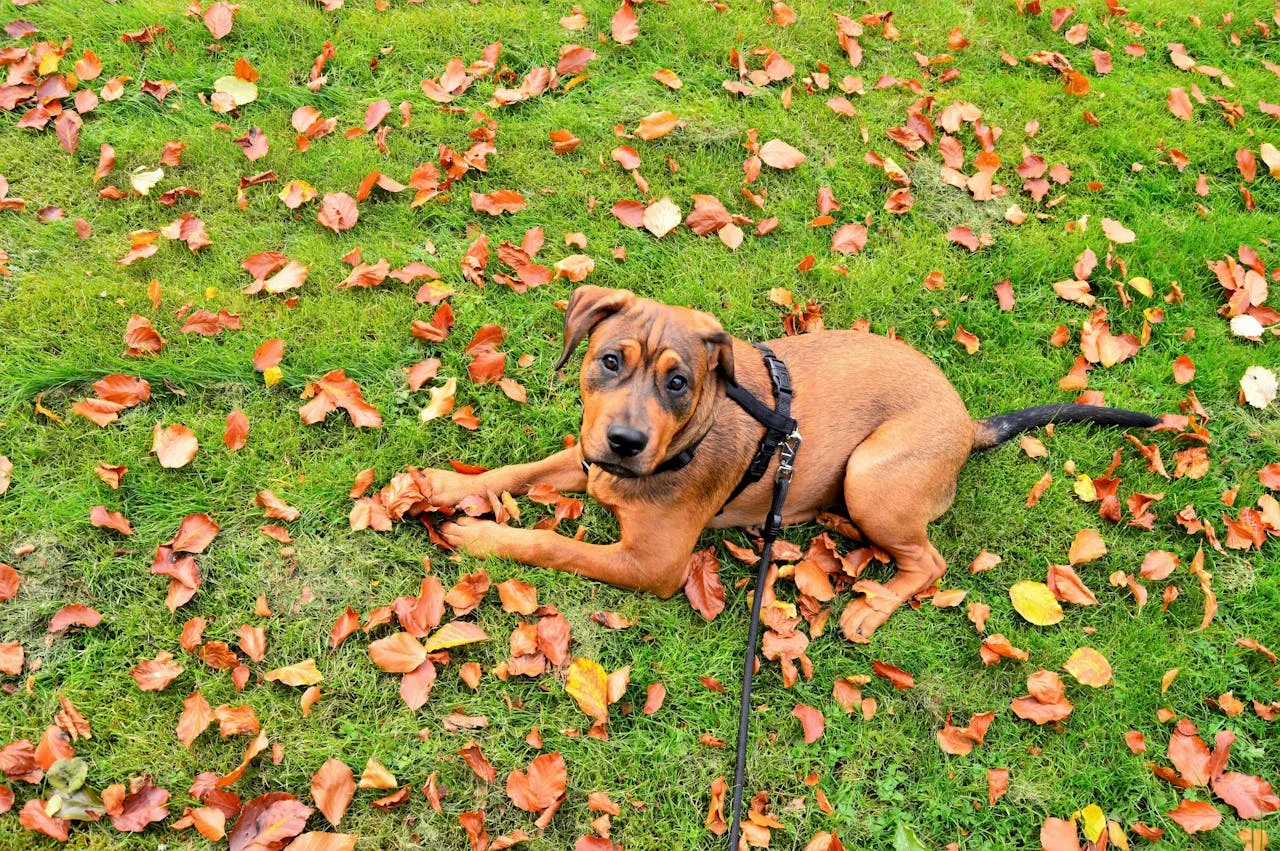
The Foundation of Leash Training
Before we dive into techniques, let’s get something straight: this isn’t about forcing your dog to heel perfectly at your side for an hour. That’s not realistic or necessary. What we want is a dog who can walk without yanking your arm off.
Equipment Matters
Forget those prong collars and choke chains. They might stop the pulling temporarily, but they’re just Band-Aids on a bigger problem. Here’s what actually works:
- Front-clip harnesses redirect your dog’s momentum instead of choking them. They’re not perfect, but they’ll give you better control while you train.
- A solid 6-foot leash. Not too long, not too short. And for heaven’s sake, not retractable. You need consistent control.
- Treat pouch. Yeah, you’ll look like a dork. Get over it. Easy treat access means better timing, and timing is everything in training.
Location, Location, Location
Start somewhere boring. Your driveway, an empty parking lot, your backyard. Somewhere your dog isn’t going to lose their mind with excitement. You wouldn’t teach a kid to swim by throwing them in the ocean during a hurricane. Same principle applies here.

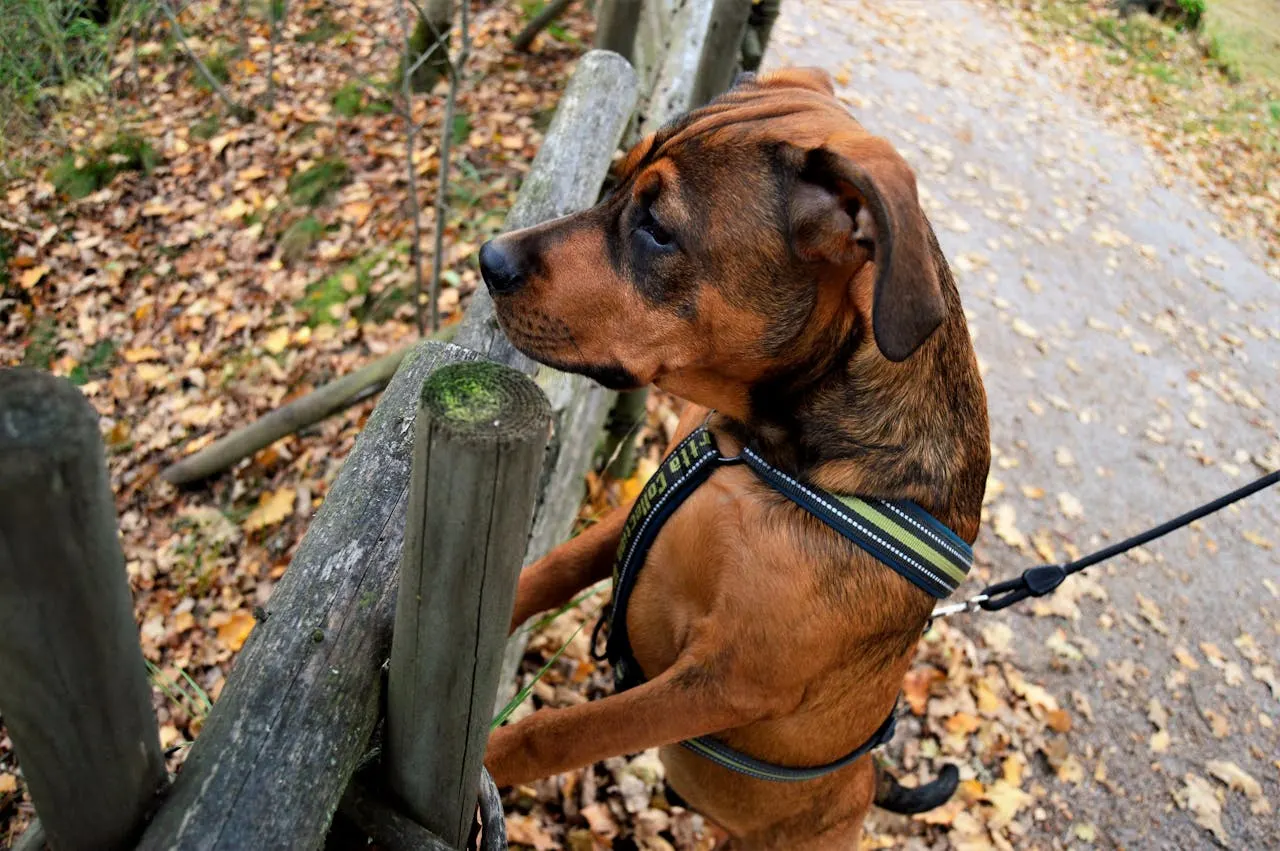
Training Techniques That Actually Work
Learn the goals of leash training and why it’s about control, not perfection:
The Stop-and-Wait Method
This one’s simple but effective. Dog pulls? You stop. Complete standstill. Don’t jerk the leash, don’t yell, just stop moving. Wait for your dog to look back at you or create slack in the leash. The second they do, mark it with a “yes” and move forward.
Yeah, you might only make it three feet in 20 minutes at first. That’s normal. Your dog will figure it out when they realize pulling makes the walk stop and loose leash makes it go.
The Direction Change Game
Your dog thinks they know where you’re going? Surprise them. Change direction randomly. Not by yanking them around – just cheerfully turn and walk the other way. When they catch up, treat party at your side.
This teaches them two things: paying attention to you is rewarding, and they don’t actually control where the walk goes.
The Focus Work
Sometimes your dog pulls because everything else is more interesting than you. Let’s fix that:
-
- Engagement Exercises – Start with “watch me” in your boring training spot. Hold a treat by your eyes, say “watch,” mark and reward when they make eye contact. Build duration slowly.
- Progress to doing this while standing still outdoors. Then while moving. Then with distractions. Baby steps.
- The Name Game – Say your dog’s name. When they look at you, immediate treat. Do this a million times at home first. Then on walks. Eventually, your dog’s name should mean “check in with the human.”
Movement Rewards
When your dog’s walking nicely, mark it with a “yes” and speed up a bit. Most dogs love moving faster. Use that as a reward. Pulling means we slow down or stop. Nice walking means we get to move.

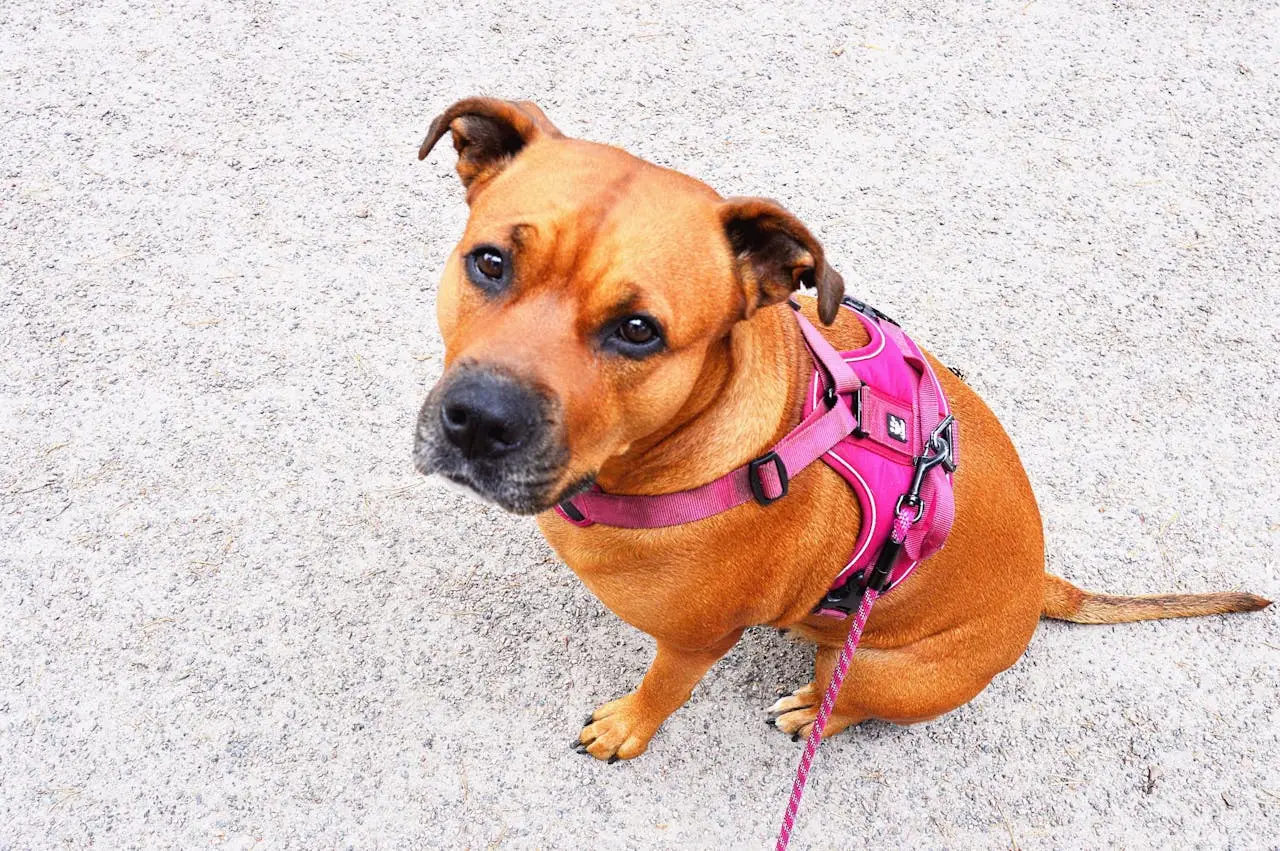
Applying Training in Real-World Scenarios
Here how you can apply these techniques in the real-world scenarios:
Handling Distractions
Let’s be real – your dog’s going to see squirrels, other dogs, interesting smells. Here’s how to deal:
- Create Distance – See a distraction coming? Cross the street or turn around before your dog goes over the threshold.
- Use Higher Value Treats – Your regular kibble might work at home, but you need the good stuff for real-world training. Think cheese, hot dogs, whatever your dog goes nuts for.
- Practice “Emergency U-Turns” – When your dog’s about to lose it over something, cheerfully say “this way!” and turn around. Reward heavily when they follow.
Building Duration
Start with realistic goals. A 5-second loose leash is worth celebrating at first. Build from there. Maybe you get 10 steps, then 20, then half a block. Keep it variable. Don’t wait for the same duration every time before rewarding. Sometimes reward after three steps, sometimes after 30. Keep your dog guessing.

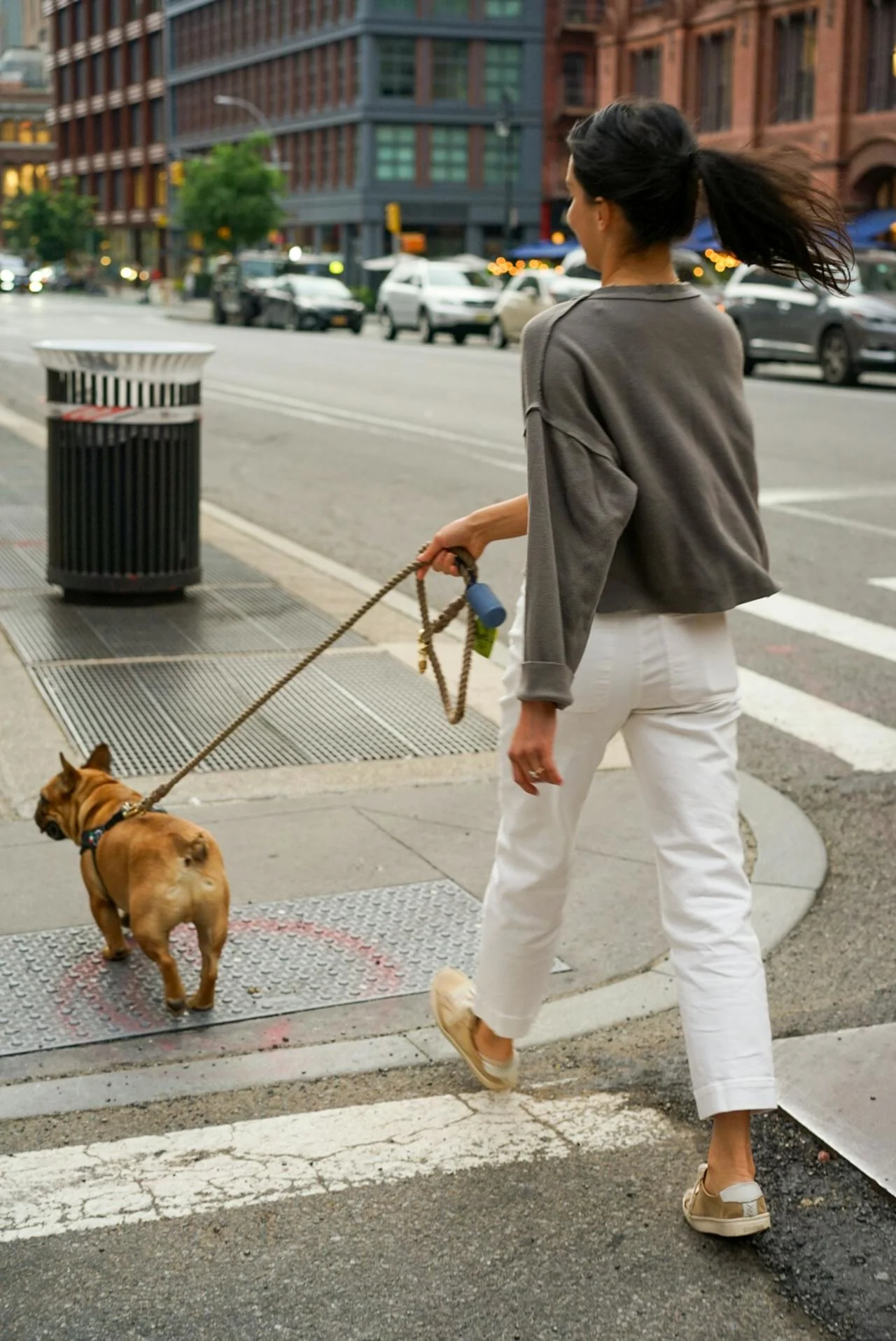
Troubleshooting Common Problems
Excitement at the Door
Your walk’s doomed before it starts if your dog’s bouncing off the walls at the door. Fix this first:
- Make leashing up boring. Do it randomly throughout the day without going for walks.
- Practice door manners separately from walks. Open door, dog moves? Door closes. Repeat until they can stay calm.
- Only leave when your dog’s relatively calm. Might take 20 minutes at first. That’s fine.
Selective Pulling in Exciting Situations
Some dogs walk fine until they see something exciting. Then suddenly you’re water skiing again. Here’s the fix:
- Map out trouble spots in your neighborhood. Practice around them at a distance your dog can handle.
- Use pattern games. If your dog always pulls at the corner, randomly turn around before you get there sometimes.
- Reward heavily for calm behavior near known triggers.

Maintaining Long-Term Progress
Everyone who walks your dog needs to follow the same rules. No exceptions. One person letting them pull can undo weeks of work.
Even after your dog’s walking well, keep reinforcing good behavior. Don’t get cocky and stop carrying treats completely. Dogs backslide when we get lazy.
Some days will be better than others. Your dog’s not a robot. They’ll have off days, just like you do. As long as the general trend is improvement, you’re on the right track.
Conclusion
Remember, loose leash walking is a skill that takes time to develop. Your dog’s been practicing pulling their whole life – it’ll take more than a weekend to fix it. Stay patient, stay consistent, and keep those treats handy. You’ll get there.
Just remember: every step forward with a loose leash is progress, even if you only make it to the end of your driveway. Rome wasn’t built in a day, and your dog won’t learn perfect leash manners overnight. But with consistency and patience, you’ll get there. And your shoulders will thank you.
sleva kamagra kupóny
koupit kamagra v chicagu
discount itraconazole australia discount
order itraconazole cheap usa
how to order fildena australia price
cheapest buy fildena cost at costco
purchase gabapentin price for prescription
how to buy gabapentin price in us
buy cheap flexeril cyclobenzaprine price canada
how to buy flexeril cyclobenzaprine cheap alternatives
medicament kamagra en usa
kamagra nuit sans consultation
online order avodart no prescription online
avodart shipped overnight no prescription
order staxyn cheap prices
cheap staxyn real price
purchase xifaxan cost insurance
buying xifaxan generic london
order rifaximin purchase uk
buy cheap rifaximin cheap online no prescription
cheap enclomiphene buy from canada
online order enclomiphene generic version
how to order androxal purchase online from india
buy androxal uk in store