

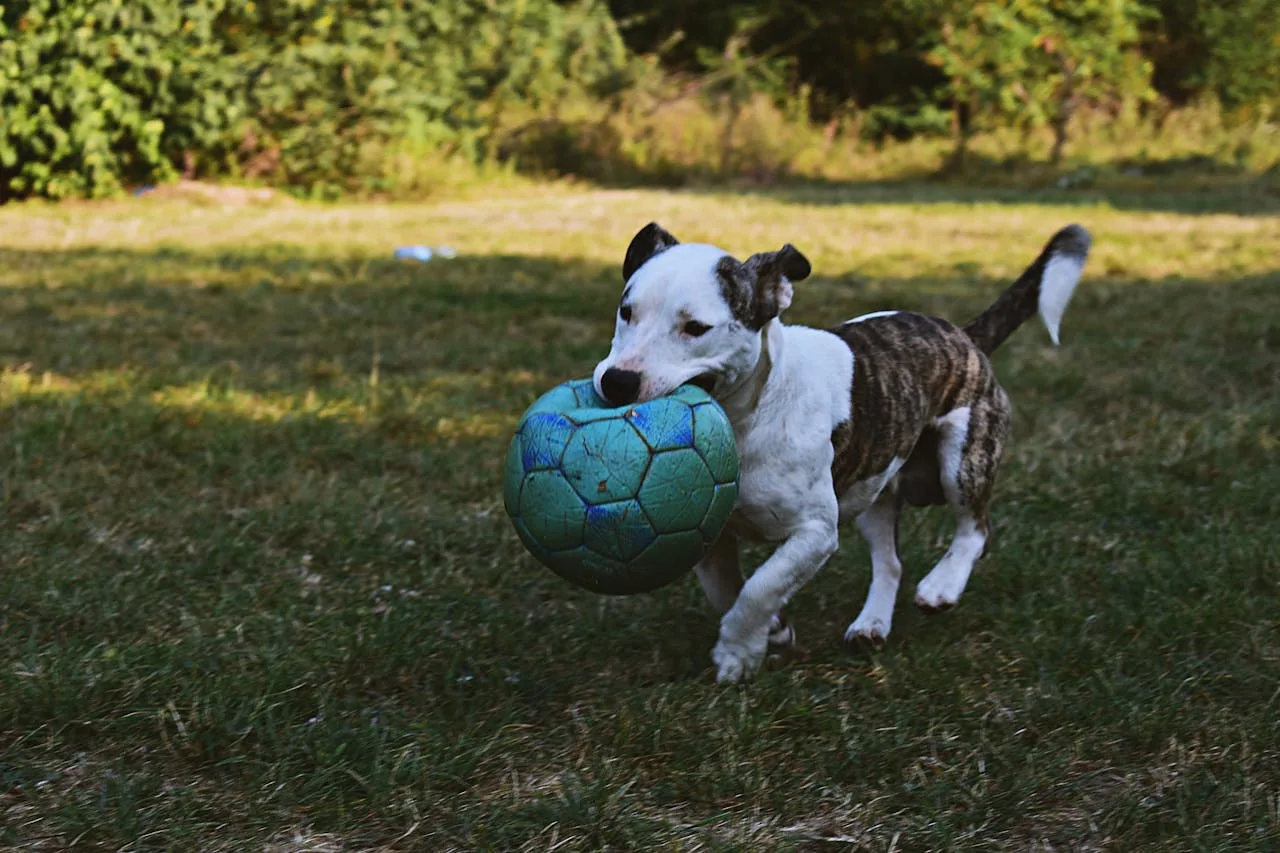
If you’re a dog owner, you know exercise is important for your pup’s health and happiness. But determining just how much activity your dog needs can be tricky. While there are general guidelines based on age, breed and health, each dog has unique exercise needs.
Finding the sweet spot between inadequate and excessive exercise leads to a fit, contented canine. So how do you decide what’s best for your energetic buddy? Read on for factors to consider when tailoring an exercise plan.
Activity Needs by Life Stage
Puppies require frequent exercise to build strength, coordination and social skills. Short, active play sessions suit their developing bodies better than extended walks. Puppies also need plenty of downtime for rest and growth. Too much forced exercise can damage growing bones and joints.
Adult dogs naturally have more endurance for physical activity. Their optimal exercise duration depends on breed, health status, and individual energy level. Most healthy adults thrive on 30-60 minutes of daily activity. Highly active breeds may need over an hour of vigorous exercise.
Senior dogs benefit tremendously from continued exercise adapted to their abilities. Regular movement preserves joint health, muscle tone, circulation and mental sharpness. Start with shorter, slower activities and discontinue any exercise that causes pain or exhaustion.
Breed Considerations
A dog’s genetic programming greatly impacts its exercise needs. Whether your pup hails from generations of hardy working dogs or relaxed companion breeds determines the type and amount of activity that makes them happiest.
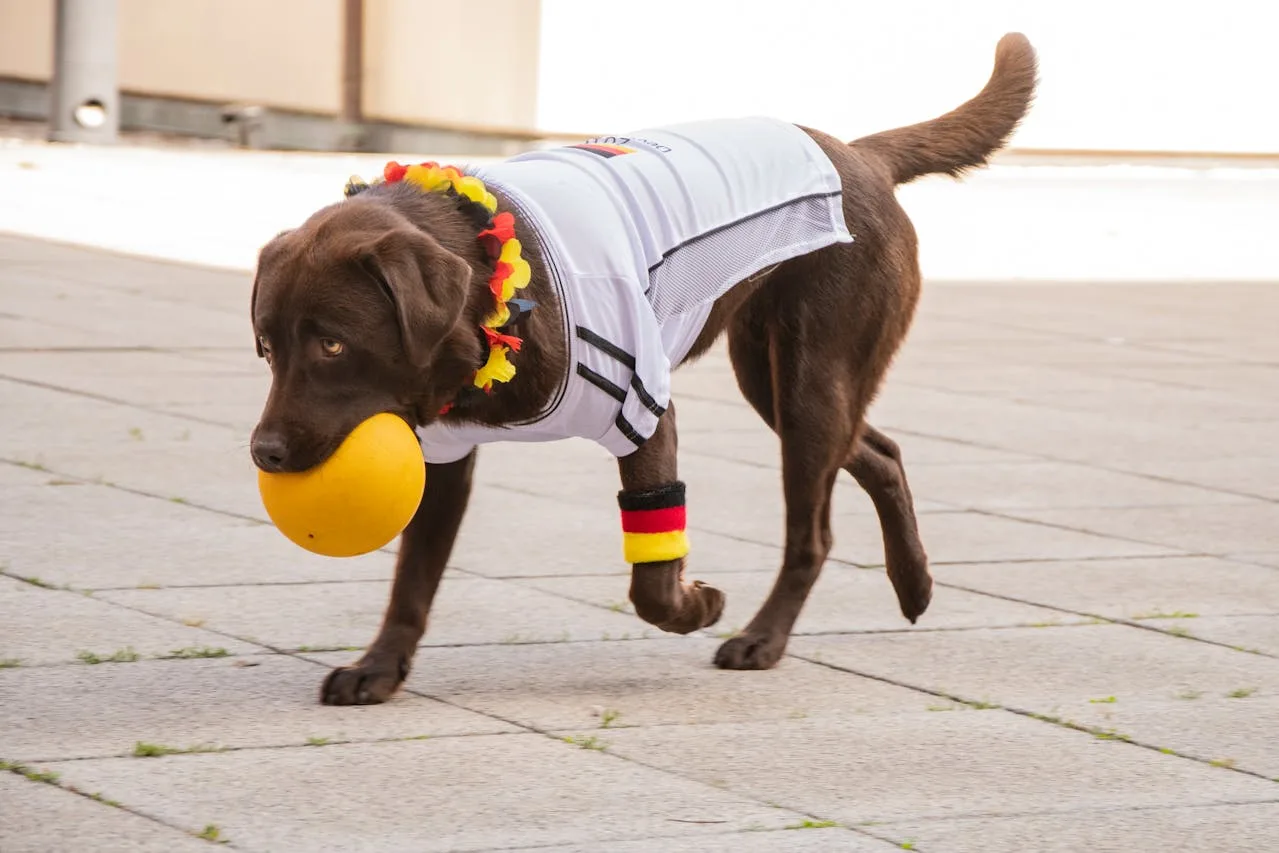
Hunting and sporting breeds like Labradors, Golden Retrievers and Vizslas require vigorous aerobic exercise like running, swimming and retrieval games. Without sufficient outdoor time, these dogs are prone to restlessness and destructive behavior.
In contrast, low-key lapdogs like Cavalier King Charles Spaniels, Havanese and Maltese are content with short daily walks and indoor play. Too much intense exercise can stress their smaller frames.
Herding, guarding and terrier breeds like Border Collies, Doberman Pinschers and Jack Russell Terriers need mental stimulation through training and interactive games in addition to physical activity.

Health Factors
Dogs with chronic health conditions like arthritis, heart disease and obesity cannot safely handle the same exercise as healthy dogs. Consult your veterinarian to develop an exercise routine that improves your dog’s condition without causing discomfort or injury.
Setting realistic goals tailored to your dog’s physical abilities is key. For example, an arthritic senior Labrador can still exercise by taking shorter, slower walks and swimming. A Pug with respiratory issues may need to avoid strenuous activities in hot, humid weather. Adjust intensity, duration and rest breaks to keep exercise safe.
Your Dog’s Personality
Beyond nature and nurture, your dog’s unique personality also influences their exercise preferences. A highly energetic Jack Russell Terrier may never tire of chasing balls, while a mellow one relaxes after shorter play sessions.
An outgoing Golden Retriever might love hiking for miles or playing with new dog friends, while a more reserved one prefers retrieving alone in the yard. Pay attention to your dog’s signals during and after exercise to learn their limits.

Tips for Exercising Your Dog
Here are a few tips that might help you out:
Walking
The classic exercise for dogs, walking provides low-impact activity and mental stimulation. Vary routes and allow sniffing time. Gradually increase duration and speed for fit dogs.
Playing Fetch
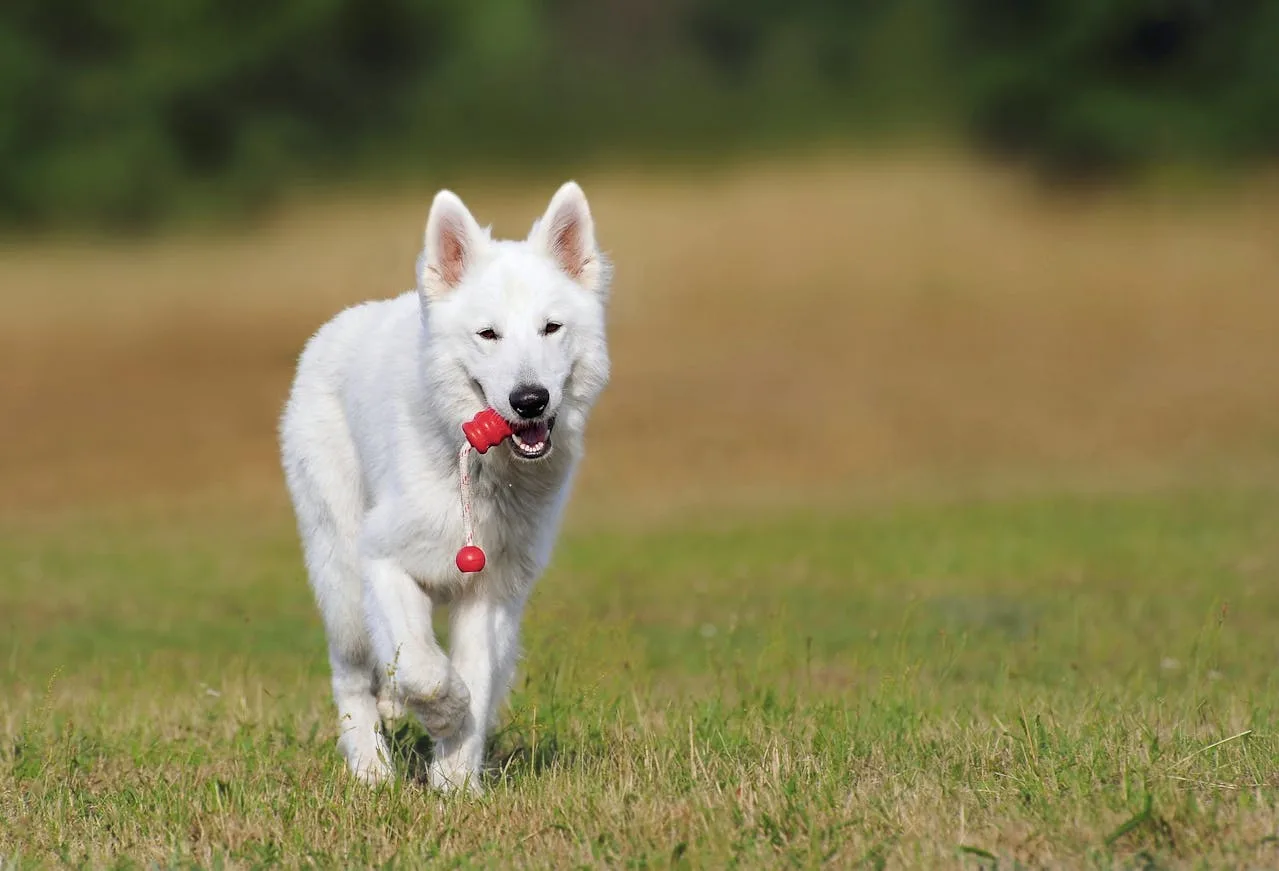
Most dogs delight in fetching balls or toys, satisfying their natural prey drive. Use large, open areas and avoid repetitive forceful throwing to prevent injury. Include breaks to prevent overexertion.
Swimming

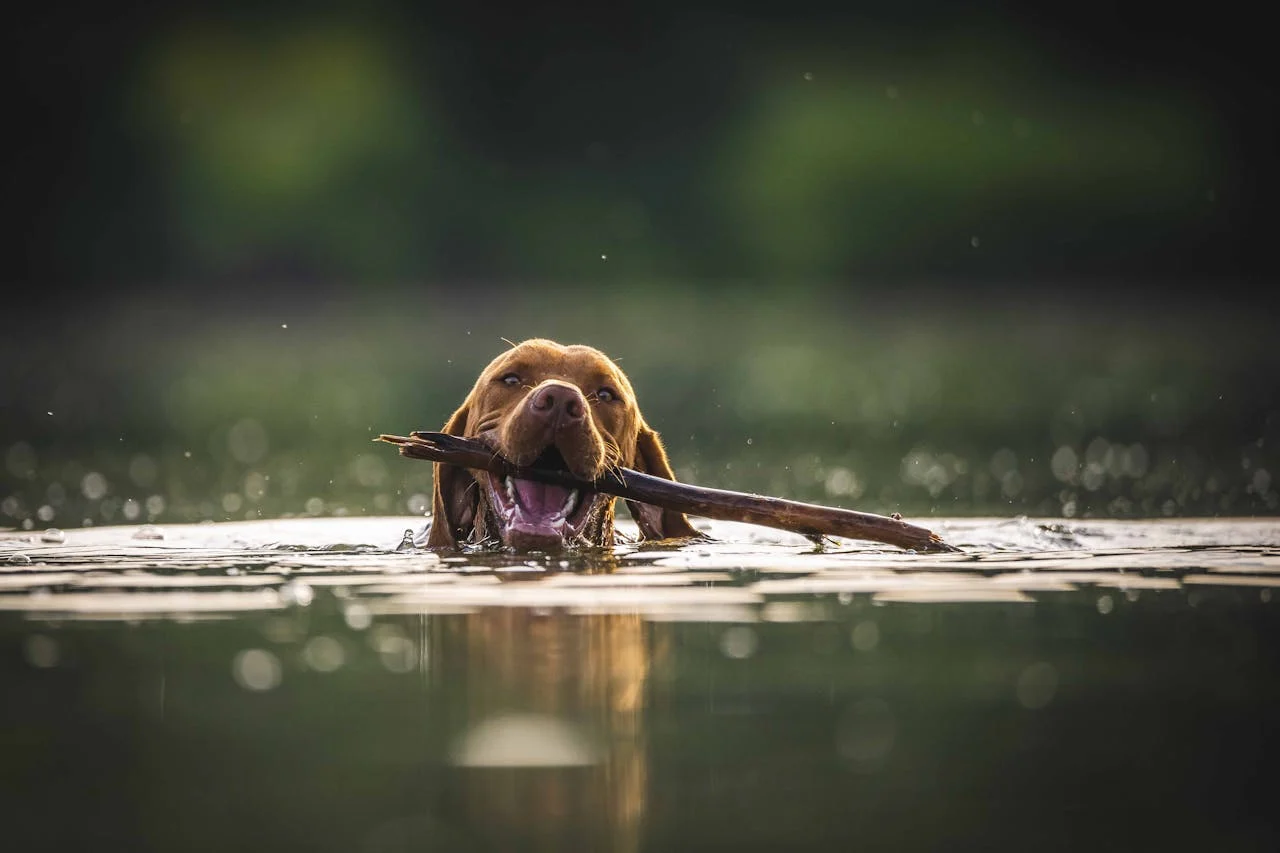
An ideal exercise for senior, overweight or mobility-challenged dogs, swimming provides an intense workout without joint stress. Dogs should always wear life jackets and be supervised when swimming.
Socializing
Well-socialized, friendly dogs thrive when exercised with other dogs. Dog parks, daycare and group walks provide both physical and mental benefits. Introduce new dogs gradually and supervise all interactions.
Training
Obedience and trick training builds the human-animal bond while tiring a dog mentally and physically. Short, positive training sessions can supplement outdoor exercise. Consider canine sports like agility, dock diving and nosework for fun, structured activity.
Dog Sports
Activities like flyball, disc dog, lure coursing and agility provide outstanding exercise tailored to a dog’s abilities. Clubs offer training programs and competitive events. These sports bond dogs and handlers through teamwork.
Hiking
Exploring nature satisfies a dog’s senses of sight, sound and smell. Start with flat, short trails before attempting long or hilly hikes. Always bring plenty of water and never force a dog beyond their limits. Off-leash hiking requires flawless recall.
Mushing
Dogs bred to pull sleds or carts, like Siberian Huskies and Alaskan Malamutes, thrive when doing jobs they’re designed for. Skijoring, bikejoring, carting, and dog scootering are lower-impact alternatives to sledding that complement daily exercise.
Preventing Exercise Injuries
While physical activity benefits your dog’s body and mind, too much exercise or the wrong types of activity can also lead to injuries. As your dog’s guardian, you play a key role in keeping their exercise regime safe as well as rewarding.
Follow these tips to prevent exercise-related injuries:
- Mind the Surface – Choose softer surfaces like grass, dirt trails or rubberized track materials. Avoid concrete or asphalt, especially in hot weather, which can damage paw pads.
- Build Up Gradually – When introducing a new activity, increase duration and intensity gradually over several weeks to condition muscles, ligaments and bones without overstressing them.
- Vary Activities – Alternate lower impact exercise like swimming and mental games with higher impact activities like running or hiking. This provides a balanced workout while limiting repetitive strain.
- Learn Proper Form – Seek guidance from training professionals on ideal techniques for activities like agility, disc dog and other intensive sports. Using proper form reduces risk of pulls, sprains and tears.
- Take Breaks – During long walks, runs or play sessions, incorporate brief water and rest breaks to prevent overheating and fatigue.
- Mind the Temperature – In very hot or cold conditions, moderate the pace, duration and intensity of exercise to prevent heatstroke, frostbite or breathing issues. Know your breed’s limits.
Conclusion
As your dog’s trusted companion, you are best positioned to determine their ideal amount, types and intensity of exercise. Pay close attention to your dog’s individual needs and signals. Be sure to provide both physical and mental stimulation for a happy, fulfilled dog.
With patience and care, you can develop a rewarding exercise routine that benefits your entire pack. So grab the leash, tennis ball or Frisbee and get ready to lead your loyal friend on an invigorating fitness adventure!
dodání sobota kamagra
kamagra online
online pharmacy xifaxan no prescription
how to order xifaxan generic online buy
ordering rifaximin generic cheap
free shipping rifaximin
buy cheap staxyn buy in the uk
cheap staxyn uk meds
how to order avodart generic equivalent
online order avodart generic in canada
online order itraconazole purchase online from india
how to order itraconazole cheap canada
online order fildena cheap store
fildena online cash on delivery
gabapentin next day cod fedex
buy cheap gabapentin uk in store
how to get dutasteride prescription
discount dutasteride cheap in uk
cheapest buy flexeril cyclobenzaprine price in us
buy flexeril cyclobenzaprine united kingdom
get androxal lowest price
prescription androxal cod
enclomiphene without prescription mexico
online order enclomiphene usa cheap
acheter kamagra à londres
kamagra pharmacie de livraison